
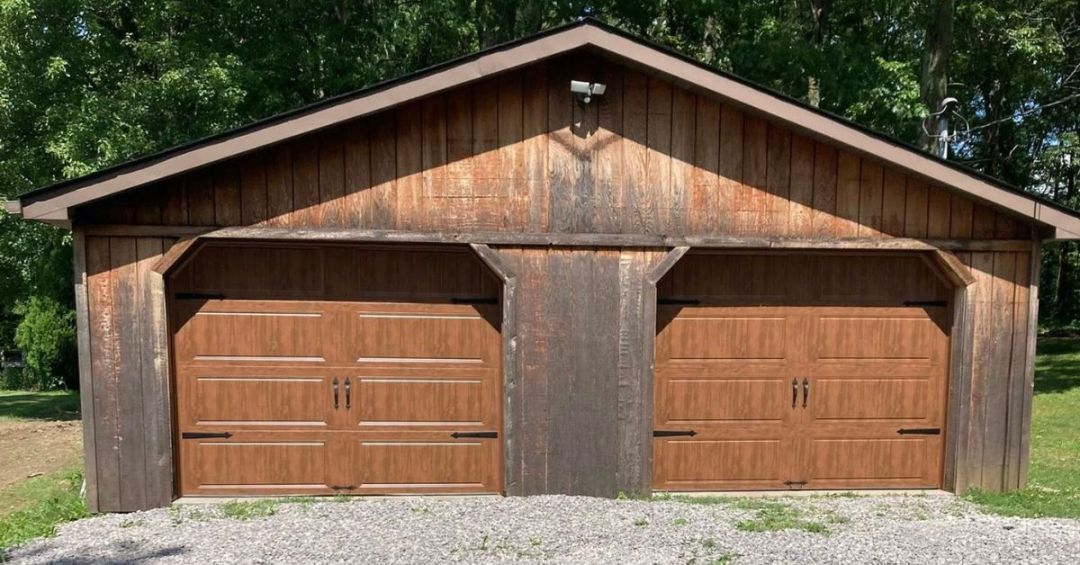
A malfunctioning garage door can be more than just an inconvenience; it can disrupt your daily schedule and even compromise your home’s security. Understanding the reasons your garage door won’t open or close can save you time, stress, and expensive repair costs. Ahead, we’ll explore common garage door issues, why they occur, and what steps you can take to resolve them efficiently.
1. Remote Control Malfunctions
One of the most frequent issues preventing a garage door from opening or closing is a malfunctioning remote control. This issue could stem from dead batteries or a weak signal. If replacing the batteries doesn’t work, then double-check that you’re within the recommended range when you use the remote.
Another cause of garage door issues is interference from nearby electronic devices. For example, wireless routers can sometimes disrupt the signal. If the problem persists, reprogram the remote using the instructions in your garage door manual.
2. Tracks Are Misaligned or Damaged
Your garage door operates on metal tracks, and misalignments can cause severe operational problems. Misaligned tracks will often appear visibly crooked or may emit a loud noise whenever the door moves. Damaged tracks, on the other hand, could contain dents, bends, or cracks that obstruct the movement of the rollers.
Additionally, misaligned or damaged tracks could lead to wear and tear on other components. Inspect the tracks and safely adjust or repair them, or consider calling a professional for assistance.
3. Broken Garage Door Springs
Garage door springs bear the weight of the entire door, allowing it to open and close smoothly. Over time, these springs can wear out or snap altogether. Signs of broken springs include loud snapping noises, difficulty lifting the door manually, and a visibly sagging door. Attempting to operate your garage door with broken springs is unsafe and can lead to further damage. An experienced professional should always handle this issue.
4. Obstructed Photo Eye Sensors
Modern garage doors include photo eye sensors that detect objects in their path. If the sensors are dirty, misaligned, or blocked, the garage door won’t close as a precautionary measure.
Sometimes, even a small spiderweb or dust particles can interfere with the beams. Clean the sensors gently with a soft cloth, then realign them as needed. Make sure the sensor lights are properly activated, as this indicates they function correctly.
5. Power Supply Issues
Automatic garage doors need a constant power supply. When your garage door suddenly stops midway or doesn’t respond to commands, check if the motor has power. A tripped circuit breaker or an unplugged power cord could easily be the culprit.
If that’s not the case, there might be internal motor issues that require professional inspection. You should not address electricity-related problems yourself to avoid further damage to your garage doors or personal injury.
6. Disconnected or Engaged Emergency Release
The red emergency release cord on a garage door is for switching to manual operation during emergencies. Occasionally, this cord gets accidentally pulled or disengaged, preventing the automatic functions from working. If you notice the motor running but the door isn’t moving, the emergency release is likely the cause of the issue. Reconnect the cord following the guidance provided in your garage door manual to restore functionality.
7. Worn or Damaged Rollers
Rollers enable the garage door to move up and down smoothly along the tracks. Over time, regular usage can wear them out, causing these components to get stuck or roll unevenly. Signs of worn rollers include vibrations, jerky movements, and unusual grinding noises during operation.
Replacing rollers early can prevent further wear on the tracks and reduce strain on the motor. Contacting a garage door company to address and replace these components will restore your peace of mind.
8. Limit Setting Needs Adjustment
The limit setting on a garage door determines how far it can open or close. If improperly set, the door may either stop short of the floor or reverse unexpectedly when closing. While this is common in newly installed doors, older ones may experience changes in limit settings due to wear or environmental factors. Adjust the limit settings through the motor’s control panel, usually located at the back of the opener unit, then test the door until you’ve resolved the problem.
9. Cables Are Worn or Damaged
Garage door cables work in conjunction with springs to lift and lower the door. When these cables fray, break, or become stretched, the door’s operations may stop entirely. Damaged cables are dangerous, as they bear tension. Do not attempt DIY repairs for this issue under any circumstances. Instead, schedule a professional repair service to handle the replacement safely.
10. Garage Door Opener Problems
The garage door opener, which houses the motor responsible for movement, can develop faults over time. Common issues include overheated motors, worn gears, or a faulty circuit board. If your opener still spins but fails to lift the door, examine whether the chain or belt is intact.
Opener repairs typically require professional expertise to evaluate hardware or programming problems. Upgrading to a higher-quality and more reliable opener might also be worth considering.
11. Weather-Related Hardships
Weather changes can affect your garage door’s normal functioning. Cold weather can freeze lubricants or make metal components contract, restricting movement. High humidity may lead to the swelling of wood garage doors or damage to sensors. Seasonal maintenance, such as applying appropriate lubricants to moving parts and weatherproofing sensitive areas, can minimize weather-related disruptions.
12. Lack of Regular Maintenance
Many garage door issues stem from a simple lack of maintenance. Failing to lubricate moving parts, clean debris, or confirm alignment over time can cause avoidable problems. Preventive maintenance performed quarterly or annually can address minor errors before they become major concerns. By scheduling annual inspections with a trusted technician, you’ll improve the lifespan and reliability of your garage door system.
Taking Immediate Action Saves Time and Money
While identifying the reasons your garage door won’t open or close can seem overwhelming, immediate action is the best strategy. Regular inspections, cleaning, and timely repairs save money in the long run. Remember, some of these issues require the attention of a skilled professional, and attempting DIY repairs could lead to injuries or further damage.
Make the decision today to protect yourself with hassle-free operations tomorrow by taking charge of your garage door’s health. After all, a perfectly functioning garage door is more than a convenience; it’s a source of security.