
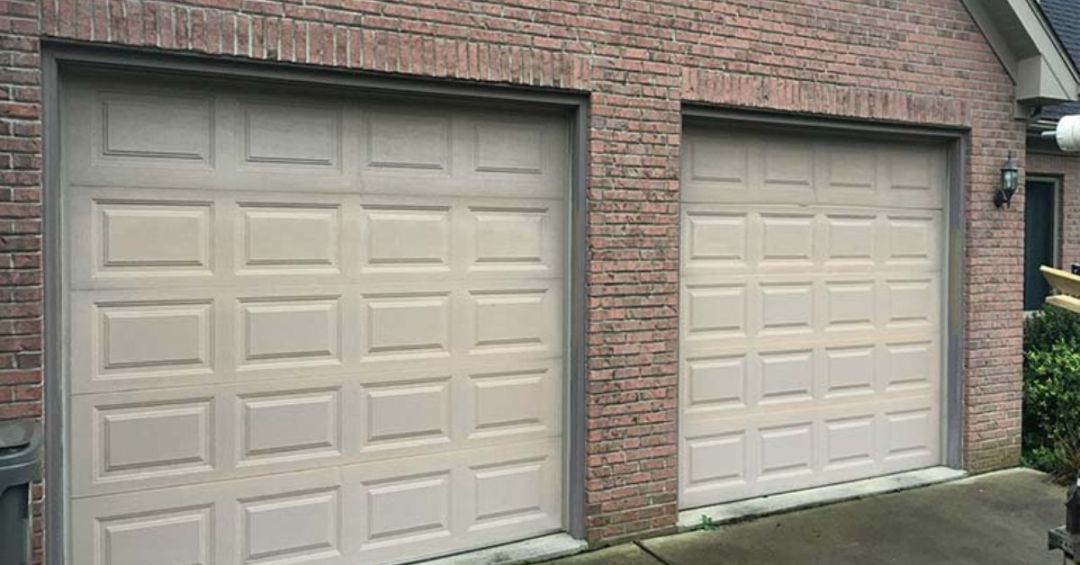
Garage doors are essential to modern homes, providing convenience, security, and curb appeal. However, like any other mechanical system, they can encounter issues over time. Garage door problems can be frustrating and sometimes even dangerous, from strange noises to complete failure.
Over time, wear and tear, environmental factors, and improper use can lead to a variety of issues that may disrupt their functionality. Understanding garage door problems and knowing how to fix them is essential for any homeowner.
This guide will walk you through the most convenient solutions, whether you’re dealing with a minor inconvenience or a situation that requires immediate attention. Neglecting problems can lead to high repair costs or even safety risks.
Garage Door Won’t Open or Close
A garage door that won’t open or close is a frustrating yet common issue for homeowners and can be due to several factors. This issue can stem from various reasons, such as a disrupted power source, dead remote batteries, or misaligned sensors.
How To Fix It
Check the connection of the opener to a power source and the circuit breaker. Replace your remote batteries if necessary. Inspect the safety sensors at the base of the garage door tracks to ensure they are free from debris and properly aligned. It may be time to call a professional if these fixes don’t solve the problem.
The Garage Door Is Stuck
A garage door that becomes stuck is inconvenient and a potential safety and security concern for your home. This issue could occur from debris or obstacles lodged in the tracks, which can block smooth movement, or damaged rollers that hinder the door’s ability to glide as intended. A malfunctioning opener could also be to blame, as electrical or mechanical failures within the device can prevent proper operation.
How To Fix It
Inspect the tracks for dirt, rust, or foreign objects, and clean them thoroughly to maintain a clear path. Check the rollers for any signs of wear or damage, replacing them if necessary to restore functionality. Ensure that the opener is receiving power and investigate any slight malfunctions.
Noisy Garage Door
Garage door noises are annoying and imply something is not functioning correctly. Squeaks, grinding sounds, or bangs can mean your garage door has mechanical issues. Loose hardware, worn-out parts, or poor lubrication often cause these noises.
How To Fix It
Tighten all bolts, nuts, and screws on your garage door hardware, but avoid overtightening. Apply a high-quality garage door lubricant to the springs, hinges, and rollers. Check for worn-out parts, such as rollers or hinges, needing replacement if the noise continues.
Garage Door Is Off Track

A garage door that is off track can become a serious issue, as it disrupts the door’s smooth operation and poses significant safety hazards. This problem often occurs from accidental impacts from vehicles or objects, causing the rollers to jump out of the tracks. This issue can also stem from loose hardware, such as bolts or brackets that secure the tracks, or a broken cable that disrupts the door’s balance and alignment.
How To Fix It
Stop using the door immediately to prevent further damage or risk of injury. Inspect the tracks to ensure its attachment to the wall is secure. You may need to call a professional to realign everything safely if you see bent tracks or the rollers popped out.
Broken Garage Door Springs
Garage door springs are essential components that bear the door’s weight and enable its smooth opening and closing. A broken spring disrupts the garage door’s functionality, making it excessively heavy and nearly impossible to lift manually without significant effort. This issue can occur due to wear and tear from repeated use, corrosion, or improper maintenance.
How To Fix It
Do not attempt to repair or replace garage door springs yourself, as they are under high tension and can cause severe injury. The best solution is to call for emergency garage door repair services to handle this issue safely and effectively.
Door Opens Unevenly
A garage door that opens unevenly may have imbalanced tension in the springs, worn cables, or misaligned tracks. This issue could lead to more significant problems, such as putting extra strain on the springs, cables, and opener, causing them to wear out prematurely or even break.
How To Fix It
Inspect the springs and cables for signs of wear and tear. Call a professional for adjustments if you notice anything unusual, such as frayed cables or loose springs. Check the tracks for misalignment or obstructions.
Remote or Keypad Not Working
A dysfunctional remote or keypad can leave you stuck outside or cause inconvenience. This problem is often due to dead batteries, connection issues, or programming errors.
How To Fix It
Replace the batteries in your remote or keypad and ensure you are within the opener’s range. Reprogram the remote according to the manufacturer’s instructions. Check for any wiring problems or call a technician for help if the issue persists.
Garage Door Closes Too Quickly
A garage door that closes too quickly is an inconvenience and a serious safety hazard, as it poses risks to people, pets, and vehicles in its path. Broken or loose springs or damaged cables that fail to support the door’s weight can cause this issue, as they control the tension and balance of the door when properly functioning.
How To Fix It
Inspect the springs and cables for signs of wear or breakage and immediately replace any damaged parts to address this problem. Fixing these components yourself can be dangerous due to their high tension; contact a professional technician to ensure safe and effective repairs.
The Garage Door Reverses Before Closing
This issue often lies with the safety sensors or the limit settings on your garage door opener. Safety sensors, typically located at the base of your door on either side, detect objects or obstructions in the door’s path. Dirty or blocked sensors may send a signal to prematurely reverse the door.
How To Fix It
Troubleshooting these problems generally involves cleaning the sensor lenses, ensuring proper alignment, and adjusting the limit settings according to the manufacturer’s instructions.
Problems can range from minor inconveniences to urgent situations requiring immediate attention. Knowing about common garage door problems and how to fix them can save you time, money, and stress.
Regular maintenance, such as lubricating moving parts and tightening loose hardware, can significantly reduce the risk of garage door problems. Don’t hesitate to call a professional for complex issues; the safety and longevity of your garage door depend on it.