

Residential garage doors are vital to a home’s overall aesthetics and functionality, enhancing curb appeal, providing security and insulation, and acting as a shield against external elements. However, the ever-changing weather patterns, temperature fluctuations, humidity levels, and seasonal variations can impact their operation and condition.
To promote their longevity, you must know how weather affects your garage door performance, taking necessary measures to mitigate potential issues. Whether dealing with scorching summers, frigid winters, heavy rains, or high humidity, you’ll be ready for every weather condition.
The Role of Temperature
Temperature impacts the performance of garage doors, particularly in regions with extreme weather conditions. When exposed to high temperatures, garage door materials like steel, aluminum, or wood expand. In cold temperatures, these materials contract.
This constant expansion and contraction can lead to misalignment, gaps, or even the garage door getting stuck. Proper insulation and temperature regulation minimize the impact of temperature fluctuations, maintaining the optimal functioning of your garage door system.
The Impact of Humidity
Excessive humidity causes major issues for garage doors, particularly in areas with high moisture levels like Butler, PA. The constant exposure to humid air can impact wooden garage doors, leading to swelling, warping, and rotting. Swelling especially can cause panels to become misaligned, leading to difficulties in opening and closing the door smoothly.
The high humidity levels can accelerate the rusting and corrosion of metal components, such as springs and hinges, compromising their functionality and potentially resulting in mechanical failures. The combined effects of humidity on the garage door’s wooden and metal parts can detract from its overall performance, durability, and security.
Protecting Against Wind and Storms

Safeguarding your garage door against strong winds and storms promotes better durability and functionality. Severe weather conditions can exert pressure, leading to bending, warping, or even detachment from the tracks. To reinforce your garage door, consider investing in bracing systems or wind-resistant doors to provide added protection during storms. Regular inspections, maintenance, and prompt repairs will preserve the structural integrity of your garage door, preventing potential damage caused by strong winds.
Rain and Its Impact
Excessive moisture can cause the garage door to swell if it isn’t properly weatherized, making it difficult to open and close. Precipitation can also cause the wood to rot slowly without proper maintenance and care.
Further, water can seep into cracks and crevices, rusting and corroding metal components. That’s why you must prioritize adequate protection against rain to maintain your garage door’s functionality.
Proper Lubrication
The moving components of your garage door, including springs, hinges, and rollers, rely on regular lubrication to minimize friction and maintain smooth operation. Lubricating these parts reduces wear and tear, prevents rust and corrosion, and extends their lifespan.
What does that have to do with the weather, you ask? In colder temperatures, lubricants tend to thicken, making it essential to use lubricants with low viscosity specifically formulated for colder climates. These specialized lubricants ensure that the moving parts of your garage door function optimally, even in freezing temperatures.
In hotter climates, lubricants may thin out and become less effective. Choosing lubricants that can withstand higher temperatures will help you maintain proper lubrication and prevent excessive wear and tear.
Winterizing Your Garage Doors
Get ready to winterize your garage door to keep it in top shape during the winter months. Follow these essential steps:
- Inspect the weatherstripping: Check the weatherstripping along the bottom of the door, replacing damaged or worn seals.
- Check the balance and alignment: Test the balance of your garage door by disconnecting the automatic opener and manually lifting the door halfway. If it doesn’t stay in place, it may require adjustment. Also, check the alignment of the tracks and make necessary corrections.
- Inspect and tighten hardware: Inspect the nuts, bolts, and screws that hold your garage door together. Tighten loose hardware for a secure, stable door.
- Address necessary repairs: Take this opportunity to address repairs or adjustments you’ve put off, such as replacing damaged panels, fixing broken springs, or repairing malfunctioning openers. Tackle these issues before the winter weather worsens.
- Clear debris and obstructions: Remove debris, leaves, and other obstructions from the garage door tracks and around the door to prevent unnecessary damage.
- Use quality lubricants: Apply a silicone-based lubricant to the rollers, hinges, tracks, and springs. Quality lubricants reduce friction, allowing smooth operation and preventing wear and tear on components.
- Consider insulation: If your garage doesn’t have proper insulation, consider adding it to the walls and ceiling. Insulation regulates the temperature inside the garage and prevents heat loss.
If you’re unsure or uncomfortable performing any of these tasks, consult a garage door professional for assistance.
Maintaining Garage Door Seals
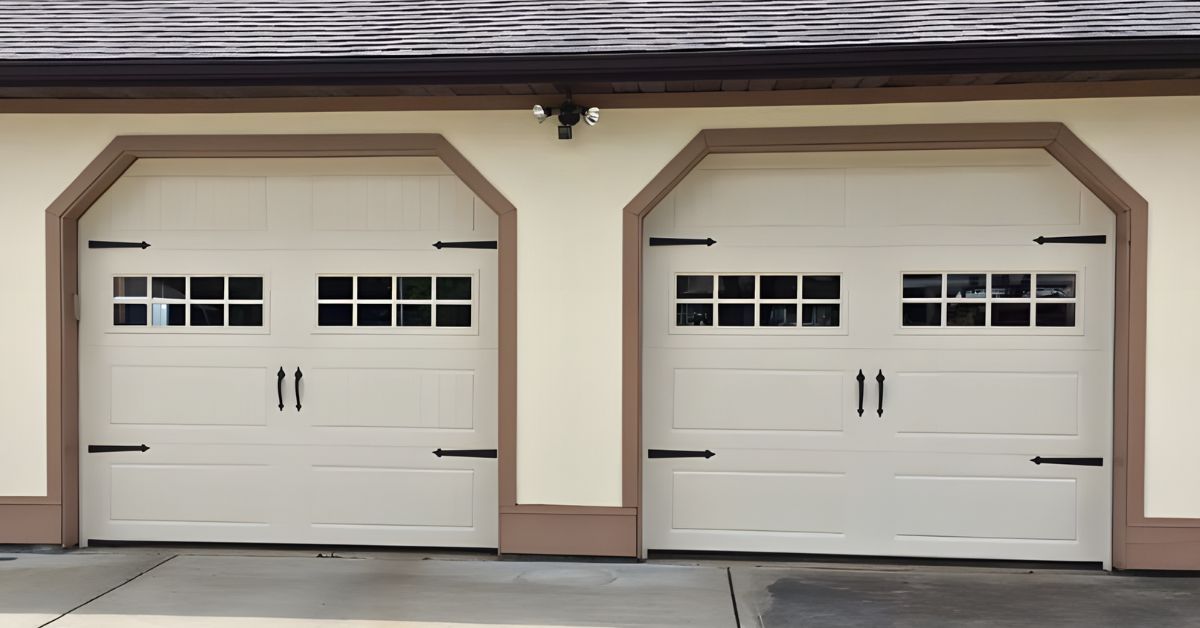
Garage door seal maintenance safeguards the interior of your garage from external elements. Over time, seals can deteriorate or become damaged, compromising their ability to prevent the infiltration of rain, dust, and pests.
Regularly inspect the seals for signs of wear, such as cracks, gaps, or brittleness. Use mild soap and water to periodically clean the seals, avoiding harsh chemicals that might cause damage. Apply a silicone-based lubricant to keep the seals flexible and prevent them from drying out over time.
The Value of Professional Maintenance
Regular maintenance and inspections can go a long way toward keeping your garage door operational, especially in locations with constantly changing weather conditions. As professionals in residential garage doors in Butler, PA, we have the necessary skills and knowledge to conduct comprehensive assessments, make adjustments, lubricate moving parts, and perform required repairs.
By entrusting your garage door to professionals, you can have peace of mind knowing that your door will operate smoothly and efficiently. We’ll provide you with the garage protection and security you need throughout the winter season and beyond.
Understanding how weather affects your garage door conditions helps you improve your door’s performance and functionality. Temperature fluctuations, humidity levels, seasonal changes, wind, and storms won’t be as impactful. Protecting your investment will allow you to enjoy the convenience and peace of mind that come with a well-maintained, reliable garage door.
Always consult professional technicians for repairs or adjustments so your garage door remains in optimal condition throughout the year. Whether you’re facing scorching summers or frigid winters, your garage door will remain a reliable barrier against external elements.